
Power outages are no longer rare inconveniences. Between aging electrical infrastructure, extreme weather, population growth, and rising energy demand, homeowners across Kansas and Missouri are experiencing longer and more frequent disruptions than ever before.
If you’re considering a Generac home standby generator in 2026, you’re not alone — and you’re asking the right question at the right time.
What This Article Will Help You Decide
Choosing a standby generator isn’t just about picking a size or comparing price tags. It’s about understanding long-term value, risk mitigation, insurance implications, permitting requirements, climate realities, and whether a portable solution would suffice.
This guide walks you through the 10 most important considerations so you can make a confident, informed decision—not just for today, but for the next 10–20 years.
1. How a Standby Generator Impacts Home Value
Before looking at models or pricing, it’s important to understand that a standby generator isn’t just an appliance — it’s a capital improvement. Multiple industry studies estimate that a home standby generator can increase property value by 3% to 5%. In competitive housing markets, especially in storm-prone regions, automatic backup power is becoming a premium feature.
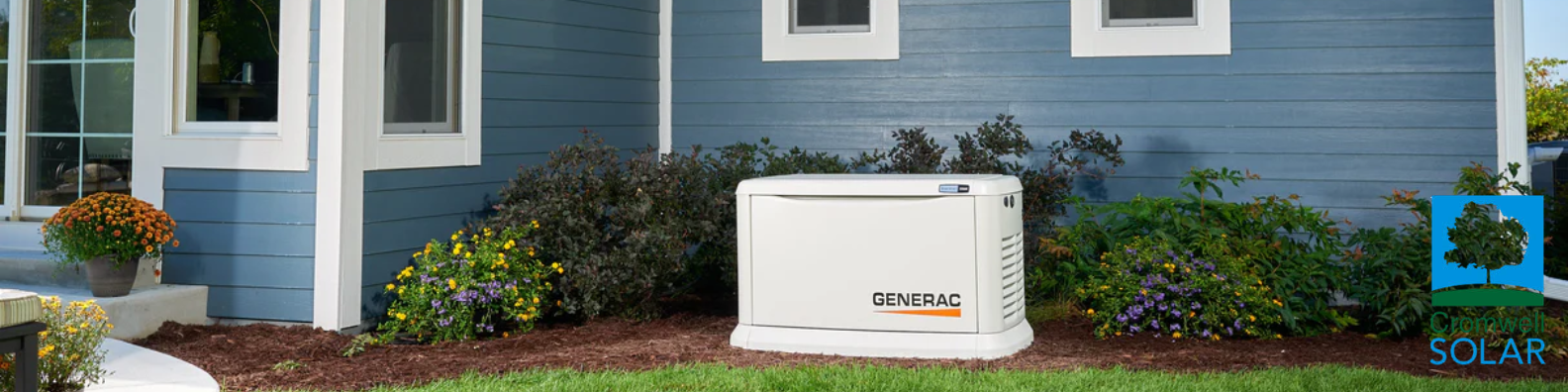
Generac’s Guardian Series — particularly the 22kW and 24kW air-cooled units — is especially attractive to buyers because they support whole-home coverage and integrates cleanly with modern electrical panels. When installed properly with permits and documentation, they become a resale asset, not just a mechanical upgrade.
Why buyers value standby generators:
Permanent, code-compliant installation
Automatic operation (no setup required)
Protection for HVAC, sump pumps, refrigerators, and security systems
Perceived reliability and preparedness
How Cromwell Solar Helps:
Cromwell Solar installs Generac systems with proper permits, compliance documentation, and clean installation practices that protect resale value and inspection outcomes.
2. Potential Homeowner Insurance Benefits
Many homeowners don’t realize that a professionally installed standby generator can reduce insurance premiums. Insurance carriers often offer 5% to 10% discounts for homes equipped with a backup power source, such as a Generac.
The reason is simple: generators reduce risk.
Claims related to frozen pipes, basement flooding, fire hazards from unsafe heating attempts, spoiled food, and mold growth often occur during extended outages. A standby generator dramatically lowers those exposures.
Portable generators, on the other hand, typically do not qualify because they are not permanently installed, automatic, or integrated into the electrical system.
It’s important to speak with your insurance provider before installation, but in many cases, the generator helps offset part of its own cost through long-term premium savings.
3. Standby Generator Pricing Considerations
Pricing is often the first concern homeowners raise — and understandably so.
In 2026, the average installed cost of a Generac standby generator ranges from $8,000 to $16,000, depending on system size and installation complexity.
Factors influencing cost include generator capacity (14kW vs 22kW vs 24kW), gas line length, transfer switch configuration, panel upgrades, and permitting requirements.
Financing has also become far more accessible. Generac financing programs have allowed homeowners to install complete systems for approximately $116 per month on qualifying plans.
When viewed as risk protection rather than discretionary spending, the pricing conversation shifts from “Can I afford this?” to “Can I afford not to?”
4. Local Permits & Compliance Requirements
Installing a whole-home generator requires proper permitting and inspection in most Kansas and Missouri municipalities. This isn’t just bureaucratic red tape — it protects you legally, financially, and structurally.
Permits ensure compliance with National Electrical Code standards, proper utility interconnection, fuel safety requirements, setback rules, and grounding standards. Skipping permits can lead to insurance complications, failed inspections during resale, and even liability exposure if something goes wrong.
A qualified standby generator installer, such as Cromwell Solar, handles the entire permitting process, from submitting documentation to coordinating inspections, ensuring your Generac generator is fully compliant, insurable, and legally protected.
Local Permitting & Compliance Needs to Take into Consideration:
Insurance protection
Utility interconnection approval
Resale documentation
Safety verification
Clearance requirements
Property line setbacks
Utility coordination standards
Proper grounding
Utility disconnect compliance
5. Climate Risks & “Acts of God” (Speaking for Kansas & Missouri)
When choosing a generator in this region, climate isn’t theoretical — it’s predictable. Kansas ranks 24th nationally in power outages and 19th for the percentage of customers affected. Missouri has experienced major outage events in recent years, including tens of thousands of customers without power during severe storms.
Tornadoes, ice storms, heavy snow, straight-line winds, and heat-driven grid overloads are not rare occurrences. Outage durations have increased nationwide, with restorations that once took hours now taking days.
Generac’s Guardian Seriesis engineered specifically for rapid automatic activation. Within seconds of detecting a utility failure, the system transfers power seamlessly — eliminating the scramble that often follows severe weather events. In regions where storms are part of life, automation isn’t a luxury — it’s protection.
6. Frequency & Duration of Power Outages
It’s not just how often the power goes out — it’s how long it stays out. Infrastructure stress from industrial expansion, new residential developments, and rising data usage has extended outage restoration times.
Short outages are inconvenient. Multi-day outages are expensive and potentially dangerous. Heating systems fail in winter. Air conditioning shuts down during extreme heat. Sump pumps stop working during heavy rain. Refrigerators warm. Internet connectivity disappears — affecting remote work and security systems.
A standby generator removes uncertainty. It restores normalcy immediately and sustains it for as long as needed.
7. The Real Cost of Downtime Without a Generator
Nationally, power outages cost American families approximately $150 billion annually in damages and productivity losses. For homeowners, that can mean hundreds of dollars in spoiled food, thousands of dollars in hotel stays, and potentially tens of thousands of dollars in structural damage.
For small businesses operating from home, downtime can cost hundreds of dollars per minute. Even purely residential households face economic disruption when remote work becomes impossible.
When you compare the potential cost of a single severe outage to the cost of financing a standby generator, the conversation becomes clear: a generator is not an expense — it’s financial protection.

8. Brand Power: Why Generac Leads the Residential Market
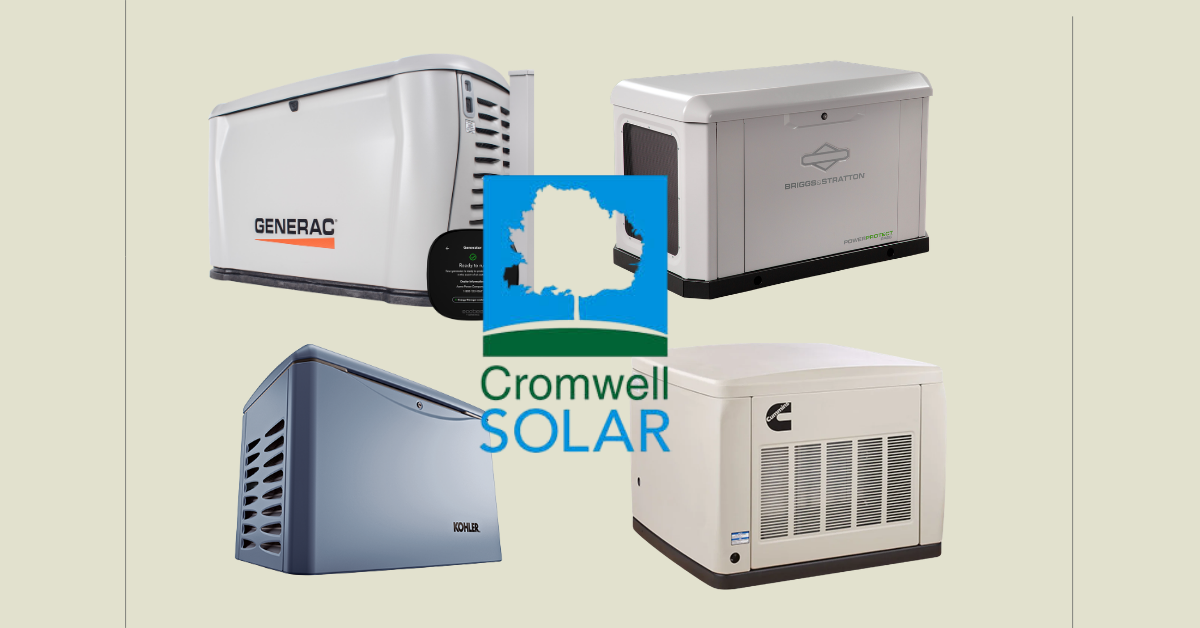
Several manufacturers compete in the generator market, including Briggs & Stratton, KOHLER, and Cummins. While each produces capable equipment, Generac dominates residential standby power for three primary reasons.
First, Generac focuses almost exclusively on whole-house generators, meaning its product engineering is tailored to homeowners rather than industrial applications.
Second, Generac's parts availability and dealer network are the most extensive in North America, resulting in faster service and better long-term support.
Third, Generac integrates seamlessly with home energy ecosystems — including solar panels, battery storage, and EV charging systems — future-proofing your investment.
Models like the Guardian 22kW and 24kW consistently lead the residential market in both sales and homeowner satisfaction.
9. Maintenance & Service Requirements
Installing a generator is only the beginning. Like any combustion engine, standby generators require routine maintenance to remain reliable. Oil changes, battery inspections, spark plug replacements, firmware checks, and transfer switch testing are all essential.
Generac systems self-test weekly, but that does not replace annual professional service. Homeowners should always confirm that their installer offers maintenance packages or on-demand repair services.
When an installer provides ongoing service plans, annual inspections, and repair support, you know you'll have ongoing protection when you need it most. Choosing an installer without a service infrastructure can create long-term headaches.
10. Standby vs. Portable: Which Is Right for You?
Many homeowners debate between a portable generator and a permanent backup generator. The difference is more than convenience.
A Generac portable generator, such as the GP Series, paired with an interlock kit, is a strong manual backup solution. It can power essential circuits and is typically installed for under $4,000. It requires manual startup and fuel management, and it does not offer whole-home automation.
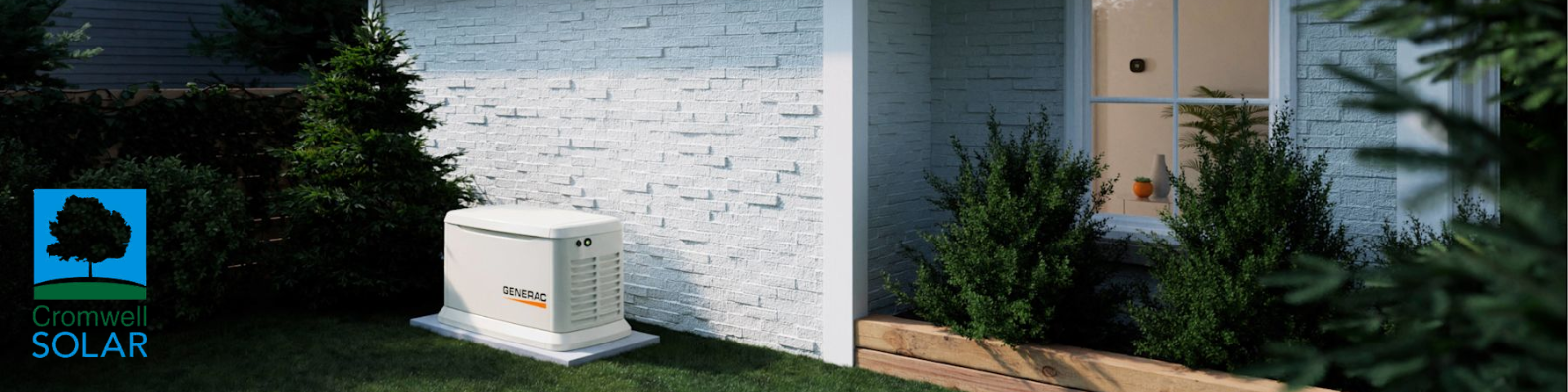
A Generac standby generator, by contrast, is permanently installed, fully automatic, and capable of powering your entire home. It integrates with natural gas or propane lines, activates within seconds, and qualifies for insurance discounts and resale benefits.
Portable systems are practical entry-level protection. Standby systems are long-term resilience investments.
Final Thoughts: Making the Right Choice in 2026
Choosing a standby generator in 2026 means evaluating value, risk, climate, insurance, financing, maintenance, and long-term property impact. It means thinking beyond the next storm and considering the next decade.
Generac continues to lead the residential market for reliability, technology integration, and support infrastructure. And for homeowners across Lawrence, Topeka, Manhattan, Ottawa, Leavenworth, and the greater Kansas City region, working with an experienced, authorized installer makes all the difference.
Cromwell Solar has spent over 40 years designing and installing energy systems built for Midwest realities. From system sizing and permitting to installation and interconnectivity of other power sources, we provide complete, code-compliant solutions backed by Generac’s industry-leading technology.
If you’re considering a standby generator in 2026, now is the time to explore your options — before the next severe weather event tests your preparedness.
Schedule your consultation with Cromwell Solar today and take the next step toward protecting your home, your family, and your long-term investment.